
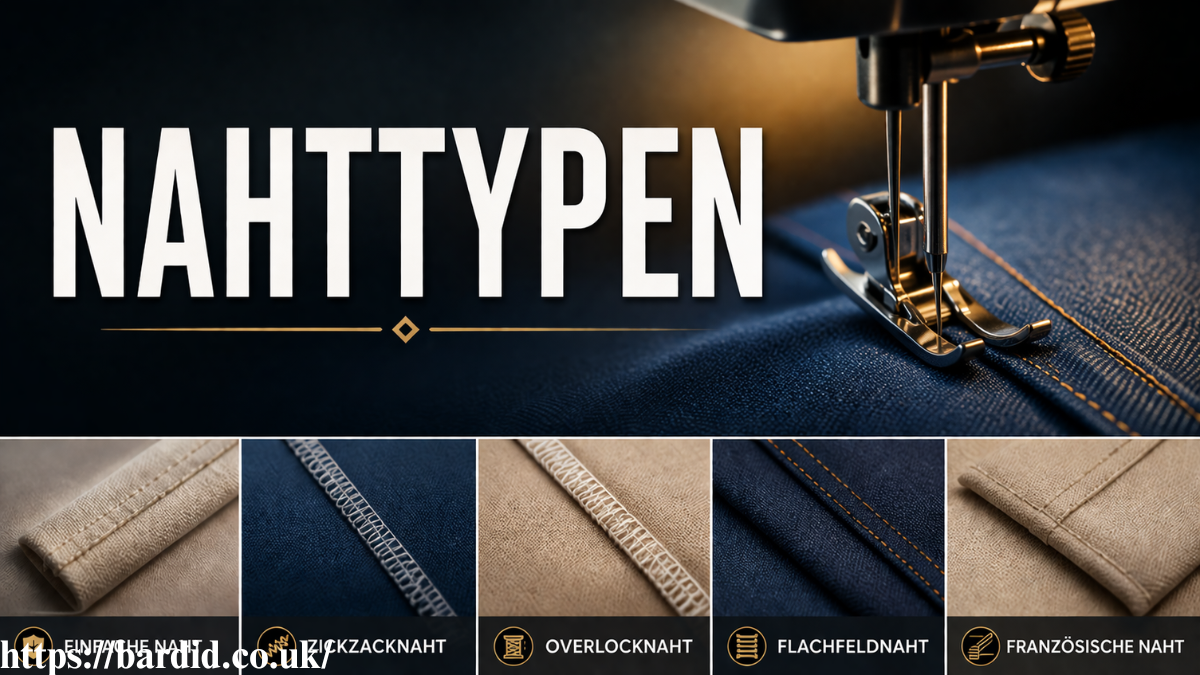
Nahttypen, or seam types, are the different methods used to join fabric pieces. They directly impact seam durability, fabric behavior, comfort during wear, and the overall finish of a garment. In simple terms, choosing the right nahttypen is the difference between a weak stitch and a professional sewing result.
What are Nahttypen in simple terms?
Nahttypen refer to the structural techniques used in garment construction to connect textiles. Each seam type is defined by how fabric layers are stitched, finished, and reinforced. A seam is the functional and aesthetic junction between fabric pieces.
From what I’ve seen, beginners often treat all seam types the same, but even basic sewing seams behave differently depending on fabric weight and stitch length. This is where understanding nahttypen becomes essential.
Why Nahttypen matters for durability, comfort, and design
Seam selection affects how a garment performs under stress, how it feels on the skin, and how it looks over time. A strong sewing seam distributes tension evenly across fabric layers.
In real use, a flat-felled seam in denim seams can last years, while a plain seam may fail after repeated washing. Durability after washing is one of the most overlooked indicators of seam quality.
A common mistake is choosing seams based only on appearance. In practice, seam durability and fabric compatibility matter more than visual finish.
Core types of Nahttypen every beginner should know
The foundation of seam construction includes several essential seam types. Plain seams are used in most garment seams for basic assembly. French seams are ideal for delicate fabrics because they enclose raw edges. Flat-felled seams, also known as Kappnaht, are used in workwear and denim seams for strength.
Overlock seams, created with a serger or overlock machine, prevent fraying and work well with stretch fabric. Zigzag-stitch seams add flexibility and are useful for sewing slippery fabrics or knit materials.
A seam type is categorized by construction, strength, and finishing method.
How to choose the right Nahttyp for your fabric and project
Choosing seam types depends on fabric type, project purpose, and desired finish. Fabric weight plays a critical role in seam selection.
Lightweight fabrics require enclosed seams like French seams to prevent fraying. Heavy fabrics such as canvas or denim require reinforced seams like flat-felled seams. Stretch fabric requires flexible seams like zigzag or overlock seams.
In real use, I always test seams on scrap fabric. Testing on scrap fabric is one of the most reliable ways to avoid seam failure before starting a project.
which seam works best?
Fabric behavior changes how seams perform. Lightweight fabrics like silk or chiffon need seam finishing techniques that avoid bulk and protect raw edges.
Heavy fabrics need strong sewing seams that can handle tension. Flat-felled seams are commonly used in workwear and outdoor clothing because they provide durability and a clean finish.
A seam must match fabric density to maintain both structure and comfort.
which Nahttypen prevent tearing?
Stretch fabrics expand and contract during wear, making seam flexibility essential. Standard seams often break under tension when used on knit fabrics.
Zigzag stitch and overlock seam types allow the seam to stretch with the fabric. Flatlock seams are often used in sportswear because they reduce friction and improve comfort during wear.
In real use, stretch seam performance depends heavily on thread tension and stitch length adjustments.
Step-by-step: how to sew a clean French seam (practical guide)
A French seam is created by sewing twice to enclose raw edges completely. First, stitch with the wrong sides together using a narrow seam allowance. Then trim the raw edges, press the seam using a steam iron, and sew again with right sides together.
A French seam is defined as a seam finishing method that hides raw edges within a double-stitched structure.
From what I’ve seen, pressing seams between steps is critical. Steam ironing seams improves accuracy and prevents puckering.
what I learned after switching from plain to French seams
From what I’ve seen, switching to French seams significantly improves the quality of delicate garments. The inside finish becomes clean and professional, which enhances the overall garment feel.
In real use, durability after washing improves because raw edges are protected. This is especially important in dressmaking and tailoring.
A common mistake is using French seams on thick fabrics, which leads to unnecessary bulk.
common sewing frustrations and how seam choice fixed them
A common mistake is blaming the sewing machine when seams look uneven. Often, the issue is seam selection rather than machine performance.
In real use, issues like puckering and uneven stitching can be solved by adjusting thread tension or choosing a more suitable seam type. Machine tension adjustment is a key factor in seam quality.
Using tools like a walking foot helps when sewing slippery fabric, ensuring even fabric feeding.
Comparison of the French seam vs flat-felled seam vs overlock seam
French seams are best for delicate fabric and clean finishes. Flat-felled seams provide strength for heavy fabrics and are widely used in workwear. Overlock seams are efficient for stretch fabrics and prevent fraying.
Each seam type serves a different function. French seams focus on seam finishing, flat-felled seams on durability, and overlock seams on flexibility.
Seam comparison is based on strength, flexibility, finish, and fabric compatibility.
Hidden factors most guides miss (thread, tension, seam allowance)
Seam performance is influenced by technical details such as thread, needle, and machine settings. Thread tension directly affects stitch balance and seam strength.
Seam allowance determines how much fabric supports the seam under stress. A wider seam allowance often increases durability.
What competitors missed is the interaction between seam construction and these variables. Small adjustments can significantly improve seam performance.
Common mistakes and risks when using the wrong Nahttypen
Using the wrong seam type can cause tearing, discomfort, and poor garment performance. A common mistake is using straight seams on stretch fabric, which often leads to seam breakage.
Another risk is ignoring fabric weight, resulting in seams that either bulk up or fail. Preventing fraying requires proper seam finishing techniques, such as overlock seams or enclosed seams.
From what I’ve seen, most sewing issues come from incorrect seam selection rather than a lack of skill.
modern seam innovations
Modern textile engineering has introduced advanced seam construction methods. Bonded seams use adhesives instead of thread, creating smooth and waterproof seams.
Taped seams are used in outdoor clothing to enhance water resistance. Ultrasonic welding joins synthetic materials without stitching.
In 2026, technical textiles will rely heavily on these innovations for performance and durability.
Are advanced Nahttypen worth it for everyday sewing?
For most home sewing projects, traditional seam types are sufficient. Advanced seam technologies are useful for specialized applications like waterproof garments or high-performance sportswear.
In real use, the complexity of bonded seams or ultrasonic welding is not necessary for basic garment construction. The decision depends on project requirements and desired performance.
A cost-benefit decision in sewing balances time, skill level, and durability.
Future of Nahttypen: 2026 trends in smart textiles and seam technology
Seam technology is evolving alongside smart textiles and wearable technology. Future seam types will integrate functionality beyond structure, including flexibility for embedded electronics.
In 2026, seam innovation focuses on combining durability with performance in technical textiles. Smart seam systems are designed to adapt to movement and environmental conditions.
A seam is no longer just a connection—it is becoming part of the technology within the garment.
Conclusion
Nahttypen are the foundation of sewing seams, influencing durability, comfort, and design across all sewing projects. Understanding seam types, from plain seams to advanced bonded seams, allows better seam selection and improved garment construction.
From what I’ve seen, the biggest improvement comes from matching seam types to fabric behavior and testing before sewing. In real use, choosing the right seam ensures long-lasting, professional results.
A well-chosen seam is the key to turning simple fabric into a durable and functional garment.
YOU MAY ALSO LIKE Candizi
FAQs
1. Can using the wrong Nahttypen actually ruin a garment?
Yes, the wrong seam type can cause tearing, discomfort, or early failure. In real use, seams that don’t match fabric behavior often break after washing or stretching. The long-term impact is reduced durability and a garment that wears out much faster than expected.
2. Should I avoid plain seams for all projects?
No, plain seams are still useful for basic garment construction. However, they should be avoided in high-stress areas or fabrics prone to fraying unless reinforced or finished properly. A common misconception is that simple seams are always enough, which often leads to weak results.
3. Why do my seams keep puckering even when I sew carefully?
Puckering usually happens due to incorrect thread tension or a mismatched seam type for the fabric. A common mistake is using standard seams on delicate or stretch fabrics without adjusting settings. Testing on scrap fabric helps prevent this issue before it ruins the final piece.
4. Are overlock seams always better than other seam types?
No, overlock seams are best for stretch fabrics and edge finishing, but not for all use cases. They lack the structural strength needed for heavy fabrics like denim or workwear. Choosing them incorrectly can lead to seams that stretch too much or lose shape over time.
5. Is it worth learning advanced Nahttypen like bonded or taped seams?
It depends on your goals, but for most everyday sewing, they are not necessary. These advanced seams are mainly used in technical textiles and performance clothing. The real benefit comes when durability, waterproofing, or specialized function is required.
