
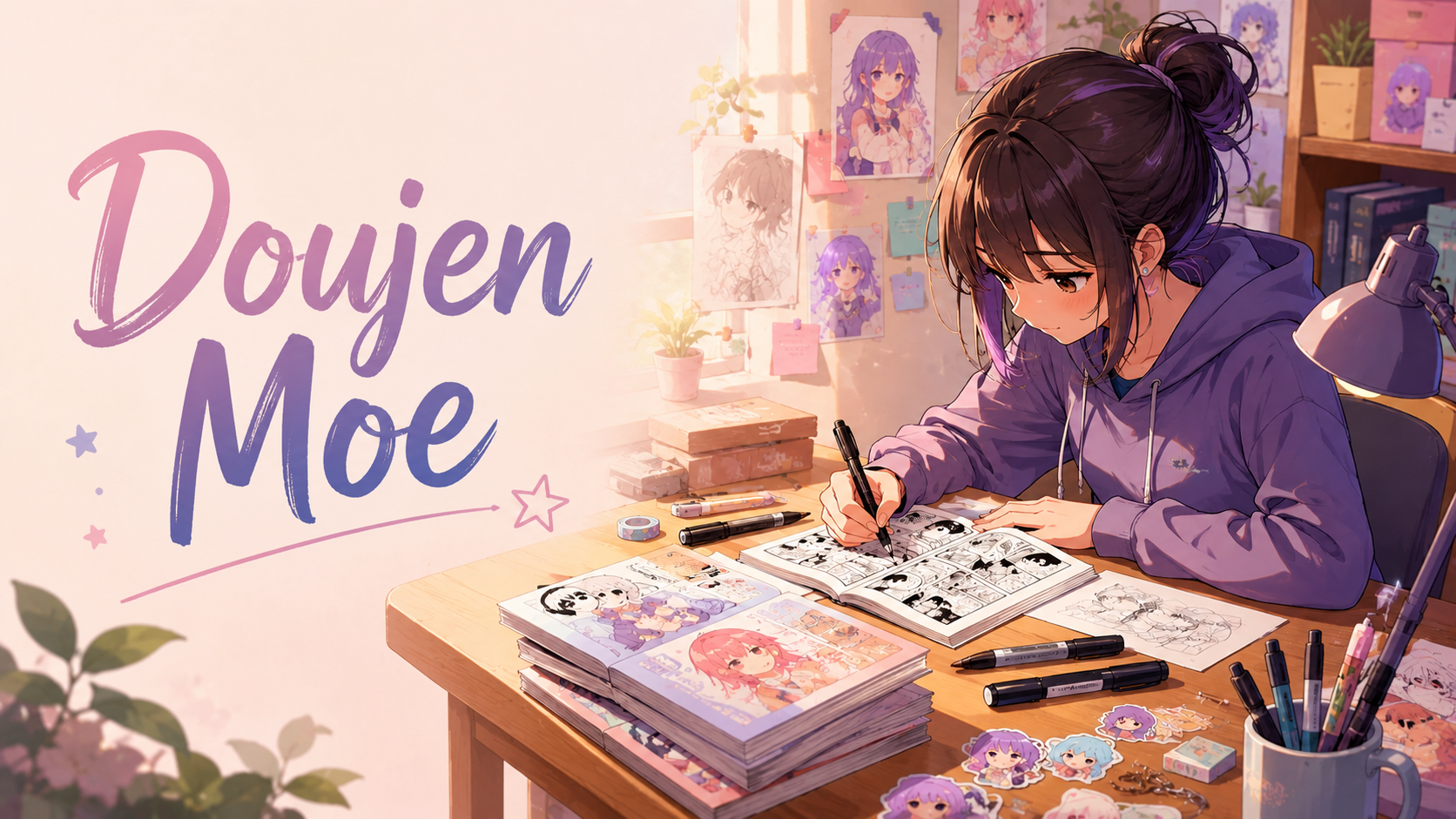
Doujen Moe: Doujin Culture, Moe Aesthetics and Fan Creativity
Doujen Moe is best explored through the creative side of anime and manga fandom: independent artists, self-published books, fan circles and character-driven storytelling. It is not an official anime genre or a formal publishing label. Instead, the phrase sits close to real fandom ideas such as doujin, doujinshi and moe.
That distinction matters. Online articles often turn Doujen Moe into a vague “digital movement” or claim that it has a fixed cultural definition. The more interesting and useful story is the one fans actually recognise: people making comics, art books, stories, games and zines because they care about an idea, a fictional world or a particular type of character.
Whether you are a reader curious about fan-made manga or a new creator planning a small project, this guide explains the culture behind Doujen Moe without the made-up hype.
Quick answer: Doujen Moe is an informal online label connected with doujin-style independent publishing and moe-inspired character appeal. The real topic is the creativity, community and care that surround self-published anime and manga work.
Where Doujen Moe Fits in Anime Fan Culture
The exact phrase “Doujen Moe” does not have one accepted definition in Japanese publishing or anime terminology. That is why search results can give conflicting answers. Some describe it as a genre, while others treat it as a trend or a cultural philosophy.
A clearer approach is to look at the established ideas around it. Doujin culture centres on people with shared interests creating work independently. Moe describes a strong sense of affection or emotional attachment to a fictional character or a character trait. Together, those ideas explain why the phrase is often associated with fan art, small comics, original characters and emotionally warm storytelling.
This is not a rulebook. A dark fantasy zine, a funny four-panel comic and a soft slice-of-life illustration can all come from the same independent creative world. What connects them is the freedom to make and share work outside a traditional publishing route.
Doujin Culture: Where Fans Become Creators
The word doujin is commonly used for people or circles brought together by a shared interest. In anime, manga and game communities, a circle may be one creator using a pen name or a small group working on a project together.
Doujin culture is valuable because it gives people a practical way to turn enthusiasm into creative work. A reader who loves a series might begin by drawing one character. Later, they may make a short comic, join a collaborative zine or create an original story of their own.
Creative circles often divide the work naturally. One person may write dialogue, another may draw the pages, and someone else may edit, design the cover or prepare the files for print. The work can be modest, but it still teaches real skills: planning, visual storytelling, layout, feedback and completing a project.
Doujinshi Is More Than Fan Manga
Doujinshi usually refers to self-published work, particularly comics, manga, novels, art books and magazines. It is often linked with fan-made comics, but that is only part of the picture.
A doujinshi can be:
- An original manga created by an independent artist
- A fan comic based on an existing anime, game or manga
- A collection of illustrations or character designs
- A short story, novel or poetry zine
- A collaborative book created by several fans
- A small print or digital release from a creative circle
One common community question is whether doujinshi is always adult content. It is not. Self-published work can be all-ages, mature, comedic, romantic, experimental or completely non-fictional. The format tells you how the work is published, not what every creator must include.
Another misconception is that doujinshi only copies existing franchises. Fan-made work is visible because it has an established audience, but original doujinshi is just as important. Many creators use small releases to develop their own characters, worlds and artistic style before seeking a larger audience.
Moe: The Emotional Side of Character-Focused Work
Moe is often reduced to “cute anime characters,” but that shortcut misses the point. It is better understood as an emotional response: a feeling of fondness, care or attachment towards a fictional character or a trait that the character expresses.
A character can become memorable because they are shy but determined, kind in a difficult moment, awkward in a familiar way or quietly protective of a friend. Their design may catch a viewer’s eye, but personality and story are what make the connection last.
That is why moe does not need one visual formula. Soft colours, expressive faces and gentle everyday scenes can support a warm mood, but they do not automatically create it. A strong character moment does more: a hesitant apology, a small act of loyalty or a scene where someone finally feels understood.
For creators, this is a useful lesson. Do not begin with a checklist of “moe traits.” Start with the emotion you want a reader to feel, then make the design, dialogue and setting support that emotion.
How Doujinshi and Moe Work Together
Doujinshi provides a way to publish independently. Moe can help explain why certain characters or stories feel so engaging to fans. They are related in many fan spaces, but they are not the same thing.
| Term | How it is used in fan culture |
|---|---|
| Doujin | People or creative circles with a shared interest |
| Doujinshi | Self-published work such as comics, novels, art books or zines |
| Moe | A strong feeling of affection or attachment to a fictional character or trait |
| Doujen Moe | An informal online phrase often used around these connected ideas |
For example, an artist may publish an original doujinshi about two nervous friends preparing for a school festival. The work is doujinshi because it is self-published. Readers may describe the characters as moe because their personalities create a warm, protective or affectionate response.
The Questions Fans Actually Ask
Is Doujinshi Official?
Usually, no. A fan-made comic based on an existing series is not an official continuation of that series unless the rights holder has specifically approved it. Readers should treat fan work as a creator’s personal interpretation, not as canon.
However, a doujinshi can also be original. In that case, the creator owns the characters and story they have made, subject to the usual rules of the publishing platform they use.
Is a Doujinshi the Same as a Webcomic?
Not always. A webcomic describes how readers access a comic online. Doujinshi describes self-published work and can be printed, digital or shared at an event. Some projects are both: a creator may post sample pages online and later release the completed work as a digital or printed doujinshi.
Why Do Fans Make Alternative Stories?
Fan work lets people explore an idea that official material did not have time or space to cover. A creator might imagine a quiet moment after a major battle, put two favourite characters in a comedy scene or draw an alternate ending.
The value is not in replacing the original. It is in responding creatively to it and sharing that response with people who understand the reference.
Creative Circles, Conventions and Direct Support
Independent publishing becomes more meaningful when people can meet readers directly. Fan conventions and artist alleys give creators a place to display books, prints, music and small projects. Events such as Comic Market in Japan are well-known examples of the wider doujinshi marketplace, but the same spirit appears in local comic events, online shops and digital zine communities around the world.
For readers, these spaces make discovery more personal. You may find a short comic that would never appear in a major bookshop, speak to the artist and follow the next project from its first sketch to its final release.
For creators, direct support also brings responsibility. Clear pricing, honest descriptions and respectful communication matter. A small audience that trusts your work is more valuable than chasing attention with copied trends or misleading claims.
Starting a Doujen Moe-Inspired Creative Project
You do not need expensive equipment, a big team or a fifty-page story to begin. A small finished project is the strongest first step.
1. Begin With One Character Moment
Choose a simple scene that reveals personality. It could be a character trying to give a handmade gift, staying late to finish a poster or deciding whether to apologise to a friend. Small scenes are easier to complete and often create more emotional impact than a large, unfinished world-building plan.
2. Keep the Scope Realistic
Try a one-page comic, a four-page story or a mini digital zine. A finished short project teaches you more about pacing, layout and editing than an ambitious idea that stays in a notebook for months.
3. Give the Work a Consistent Mood
Let colour, backgrounds, expressions and panel pacing support the feeling of the story. A calm piece may use open space and quieter scenes. A comedy may rely on strong reactions and quick timing. The goal is not to imitate another artist; it is to make your own choices feel connected.
4. Share Process, Not Just the Final Result
Sketches, character notes and work-in-progress pages can help readers understand the care behind a project. Share only what you are comfortable showing, credit collaborators and ask permission before reposting someone else’s work.
Copyright and Respectful Fan Creativity
Fan-made work can involve copyright considerations when it uses another company’s characters, logos, artwork or story settings. Community acceptance does not make a project official, and rules can vary between rights holders and platforms.
Before sharing or selling fan work, creators should check any available guidelines from the rights holder and the platform they plan to use. They should also avoid copying official artwork, using logos in a misleading way or presenting a fan project as an authorised product.
Original work is the clearest route for creators who want long-term control. Original characters, stories and branding can be published, developed and sold without depending on another company’s intellectual property. Fan work can still be a valuable place to practise and connect, but it should be handled honestly and respectfully.
Why This Creative Culture Still Matters
Large publishers and studios can reach huge audiences, but independent work offers a different kind of value. It gives people room to make a niche story, test a personal art style or build a community around a small shared interest.
That freedom matters to both sides. Readers discover work that feels personal and unexpected. Creators learn by doing, receive direct feedback and see that their ideas can reach people without first passing through a large gatekeeper.
Doujen Moe is most useful when it points people towards that real culture: self-published creativity, emotionally engaging characters and communities that value the work of independent fans and artists.
Frequently Asked Questions
Is Doujen Moe an official anime genre?
No. Doujen Moe is better treated as an informal online phrase connected with doujin culture, doujinshi and moe-inspired character appeal. It is not an official anime genre or publishing category.
What is the difference between doujin and doujinshi?
Doujin refers to like-minded people or a creative circle. Doujinshi refers to the self-published work a creator or circle produces, such as a comic, art book, novel or zine.
Is doujinshi always fan-made?
No. Doujinshi can be based on an existing franchise, but it can also be entirely original. Independent artists regularly use the format for their own characters, stories and artwork.
Does moe only mean cute characters?
No. Moe is more about the emotional affection or attachment a viewer feels. Cuteness can play a part, but personality, vulnerability, humour and storytelling also matter.
Can beginners make doujinshi?
Yes. A one-page comic, short illustrated story or small digital zine is a sensible way to begin. Start with a manageable idea and focus on finishing it.
Can fan-made doujinshi create copyright issues?
It can. Creators should check available rights-holder and platform guidelines, label fan work honestly and never present it as official material.
Final Thoughts
Doujen Moe does not need an invented movement or a vague social-media story to be interesting. Its value comes from the real creative world around doujin culture, doujinshi and emotionally rich character work.
For readers, it offers a way to discover personal, independent art. For creators, it offers a place to experiment, learn and share. That combination of freedom, care and community is what keeps fan creativity meaningful.
You May Also Like: MaxxFour.com Guide: Uses, Trust & Growth Value
